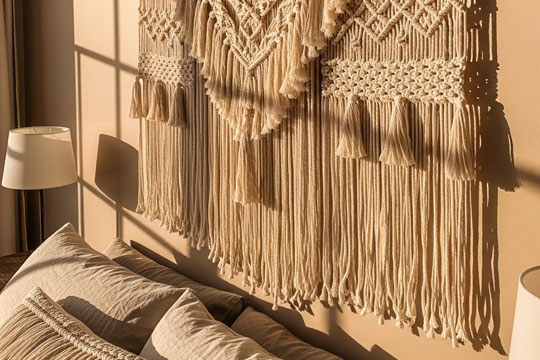
Imagine your bedroom as a serene sanctuary—a place where the day’s clutter melts away, leaving only calm and clarity. In a compact room, achieving that feeling can seem challenging, but minimalism becomes your greatest advantage.
It’s not about giving up comfort or style; it’s about intentionally choosing what supports your sense of peace. These minimalist bedroom small space ideas help you transform even the coziest room into a clutter-free, modern retreat that feels open, airy, and deeply personal.
Let’s explore simple ways to create a space that truly breathes.

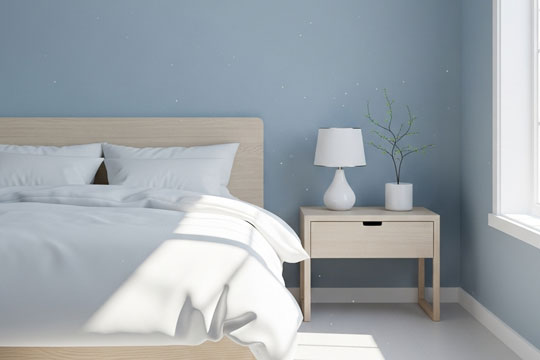
1. Embrace a Monochromatic Color Palette
Stick to one soft color family for your walls, bedding, and furniture—think creamy whites, gentle grays, or warm beiges. A unified palette creates a seamless flow that instantly makes the room feel bigger and more serene.
By reducing contrast, you allow the eye to move effortlessly around the space, eliminating visual noise. Add subtle texture instead of bold color to keep things interesting while maintaining a cohesive look.
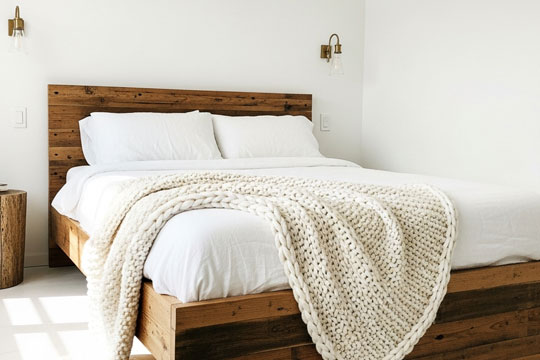
2. Opt for a Low-Profile Bed Frame
Your bed sets the tone for the entire room. A low-profile platform frame with clean, simple lines lifts visual weight off the floor, making the ceiling feel higher.
Consider styles with built-in drawers for discreet storage—an elegant solution that removes the need for bulky furniture. This single change maximizes both open floor space and functionality.

3. Utilize Vertical Wall Space for Storage
When floor space is limited, look upward. Floating shelves above your nightstand or a slim, wall-mounted console desk add storage without taking up room.
This vertical approach naturally draws the eye higher and gives you space for books, lighting, or a cherished decor piece. Keep surfaces lightly styled to maintain that airy, minimalist aesthetic.
4. Incorporate Hidden Storage Solutions
Minimalist spaces thrive on the principle that everything has a home—and preferably one that’s out of sight. Multi-functional furniture is essential. An upholstered ottoman at the foot of the bed can store throws or pillows.
A bedside table with drawers or a closed cabinet keeps daily essentials tucked away. These small choices reinforce your clutter-free look and make it easier to maintain long-term.
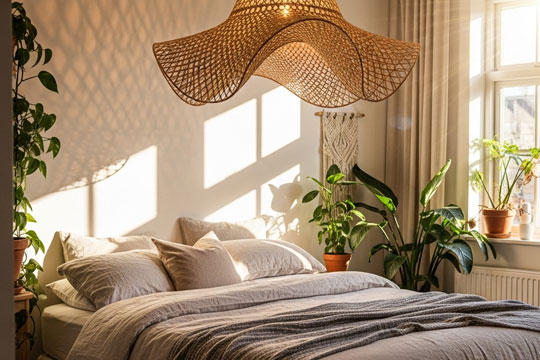
5. Let in Natural Light and Airy Textures
Light transforms a small bedroom. Swap heavy blackout drapes for sheer curtains or simple Roman shades that filter sunlight softly. This gentle connection to the outdoors instantly expands the room.
Pair the lighter window treatments with breathable materials like linen or cotton for your bedding. The combination creates a bright, inviting atmosphere that feels both grounded and open.

6. Define the Space with a Strategic Area Rug
Even in a small bedroom, a well-chosen rug can anchor the entire layout and add a layer of comfort. The key is selecting the right size and placement. Choose a rug large enough to sit under the lower two-thirds of your bed, extending slightly along the sides and foot.
This creates a defined “rest zone” and makes the room feel intentional and cohesive. Opt for a light color and a simple, textural weave to keep the look open and airy while maintaining the minimalist aesthetic.
7. Install a Statement Floating Headboard
Introduce vertical interest without sacrificing floor space by installing a floating headboard. A floor-to-ceiling panel—whether warm wood or softly upholstered—instantly adds architectural depth and a polished, custom feel.
Because it’s attached directly to the wall, it eliminates the bulk of a traditional headboard and frees up valuable perimeter space. The result is a striking focal point that feels integrated and thoughtfully designed.
8. Create a Floor-to-Ceiling Accent Wall
Make a subtle but dramatic impact with a full-height accent wall behind your bed. Instead of busy patterns, focus on texture—reclaimed wood, vertical shiplap, or a matte plaster finish in a soft neutral tone.
This vertical treatment draws the eye upward, emphasizing height and giving the sleeping area a sense of definition and coziness. It’s a bold design move that adds richness without adding extra furniture.
9. Implement a Zoned Lighting Plan
Overhead lighting alone can feel stark in a minimalist sanctuary. A layered, “zoned” lighting plan creates functionality while visually expanding the space.
Pair discreet recessed lights with targeted fixtures: wall sconces free up surface space, and a slim floor lamp in the corner provides ambient glow. Having light at different levels allows you to shift the mood and perception of the room throughout the day.

10. Opt for a Room-Dividing Storage Bench
In a studio or a multifunctional bedroom, a low storage bench can subtly divide the room. Placed at the foot of the bed, it creates a gentle separation between sleeping and working or lounging areas.
Choose a bench with hidden storage to keep essentials out of sight while doubling its purpose. This simple zoning technique reduces visual clutter and makes the space feel more structured and spacious.
11. Incorporate Large-Scale Reflective Surfaces
Instead of a small mirror, go for a large leaning floor mirror or a tall wall-mounted design to maximize visual impact.
A generously sized reflective surface bounces light around the room, instantly expanding the sense of space and enhancing brightness. Position it opposite a window to capture and amplify natural light.
This single design choice delivers a dramatic boost in openness and luminosity, transforming how the entire room feels.
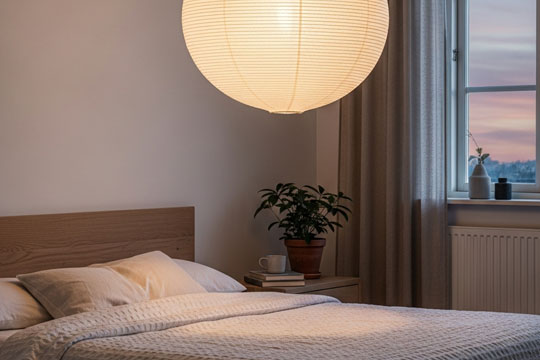
12. Choose a Statement Low-Hanging Pendant Light
Swap out a standard ceiling fixture for a sculptural pendant light hung low beside the bed. This simple change draws the eye upward while creating a cozy, defined lighting zone perfect for reading or unwinding. Its striking shape doubles as functional art, reducing the need for extra decorative pieces.
By anchoring visual interest in one thoughtfully chosen fixture, the rest of the room can remain clean and uncluttered, reinforcing the minimalist aesthetic.

13. Build In Custom, Floor-to-Ceiling Wardrobes
For truly seamless storage, nothing beats a custom floor-to-ceiling wardrobe. Built-ins that span the full height and width of your wall eliminate awkward gaps and maximize every inch of space.
Choose sleek, push-to-open doors without visible hardware in a finish that matches your walls. This integration makes the storage blend into the room’s architecture, creating a smooth, uninterrupted flow that supports a calm, clutter-free environment.
14. Design a Multi-Functional Bedside “Zone”
Turn your bedside area into a fully functional zone. Instead of a standalone table, opt for a wall-mounted shelf that doubles as a compact desk surface or a built-in unit that merges shelving, lighting, and the headboard.
This unified design feels intentional and custom, replacing multiple furniture pieces with one streamlined element that supports everything—from storage to work to relaxation—within a minimal footprint.
15. Embrace the Power of a Single, Oversized Art Piece
In minimalist design, restraint is everything—even when it comes to art. Instead of a busy gallery wall, choose one large, serene piece to anchor the room.
A calming landscape, a monochromatic abstract, or a simple textile wall hanging adds personality without overwhelming the space.
This single focal point brings strong visual impact and expresses your style, proving that meaningful decor doesn’t require many items—just one well-chosen piece.
Conclusion: Your Sanctuary Awaits
Creating a minimalist bedroom in a small space is a fulfilling step toward a more peaceful, intentional way of living.
It’s about making thoughtful choices that prioritize calm, function, and an uncluttered environment. By embracing light, choosing multi-functional furniture, and committing to simplicity, you can transform even the smallest room into a true retreat.
These minimalist bedroom small space ideas are more than just design tips—they’re the foundation for a home that feels spacious, soulful, and deeply restorative.