10 Minimalist Kitchen Remodel Ideas for a Clean, Airy Look
The heart of the home should feel like a haven—a space defined by calm, clarity, and effortless function. A minimalist kitchen remodel isn’t about creating something cold or sparse; it’s a thoughtful curation that prioritizes light, flow, and purposeful design.
By stripping away visual noise, what remains is an environment that feels clean yet deeply personal, where every element has intention behind it.
Embracing these minimalist kitchen remodel ideas brings a sense of tranquility into your daily rhythms, turning cooking and gathering into more serene, meaningful experiences.

1. Embrace the Power of Flat-Panel Cabinetry
The foundation of a clean, modern look starts with your cabinets. Replace ornate, detailed doors with sleek flat-panel (or slab) styles in a muted, consistent color.
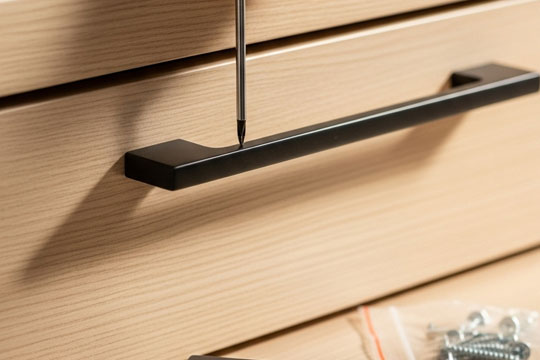
This uninterrupted surface creates a serene visual flow that makes the space feel larger and more open. Choose a handleless design with integrated finger pulls or minimalist bar pulls for an ultra-streamlined silhouette.
Beyond aesthetics, this approach sets an orderly backdrop that makes the entire kitchen feel instantly more organized and airy.
2. Dedicate to a Monochromatic Palette
Color simplicity is essential. Select a single, soft hue—such as warm white, pale grey, or creamy oat—and carry it across your cabinetry, walls, and major appliances.
A monochromatic palette removes visual breaks and reduces competition, making the kitchen feel brighter, larger, and fully cohesive. Introduce depth through texture instead of color: think the grainy patina of honed limestone countertops paired with smooth cabinet fronts.
The result is a sophisticated, gallery-like space that feels expansive yet quietly inviting.

3. Install a Seamless, Integrated Sink
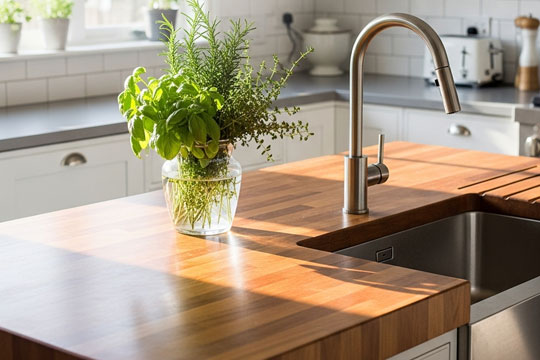
A clutter-free counter is at the core of minimalist design, and your sink plays a big role in that. Choose an under-mount or, ideally, an integrated sink made from the same material as your countertop—quartz, solid surface, or composite.
This creates a flawless, continuous surface with no raised edges or seams interrupting the eye. Pair it with a single-lever faucet in a matching finish for a refined, unified look.
This seamless setup doesn’t just look clean—it makes everyday maintenance simpler, blending form and function effortlessly.
4. Opt for Concealed or Smart Storage
A true minimalist kitchen keeps clutter out of view. Move beyond standard cabinets and explore integrated storage solutions. Consider deep drawers with custom dividers for utensils, tall pull-out pantries for dry goods, and appliance garages to tuck away small appliances.
The goal is to give every item a dedicated, hidden home—keeping your counters clear and your kitchen peaceful. This smart storage is the quiet engine behind minimalist living, making serene simplicity possible day after day.
5. Select a Statement, Single-Material Backsplash
Instead of a busy mosaic, extend your countertop material up the wall to create a full-height, single-material backsplash. This bold choice removes grout lines and visual seams, forming a striking, monolithic surface that feels both luxurious and minimalist.
Alternatively, consider large-format tiles in a matching tone with nearly invisible joints. This uninterrupted plane reflects light beautifully, enhances the sense of space, and creates a clean backdrop that allows functional items—like a well-crafted chef’s knife or a simple vase—to stand out as intentional accents.

6. Leverage Open Shelving with Discipline
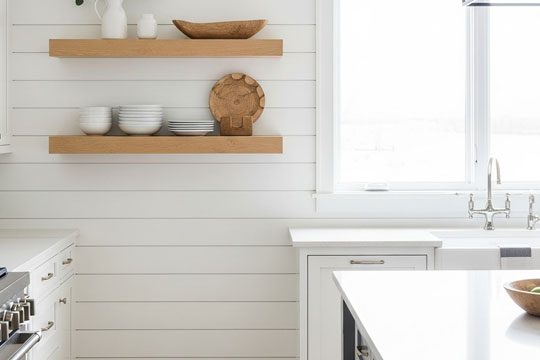
When used sparingly, open shelving can elevate the room’s airy feel. Install one or two floating shelves in a consistent material such as light wood or matte black metal, and treat them as curated displays rather than everyday storage.
Style them with a small selection of beautiful, frequently used items—ceramic bowls, simple glassware, or a single potted herb. This brings warmth and personality without adding visual clutter.
The key is restraint: every piece should earn its place, creating a lived-in yet thoughtfully edited look.
7. Incorporate Strategic, Hidden Lighting
Overhead lighting alone can cast harsh shadows. Soften the atmosphere by layering in subtle, integrated lighting for a warm, ambient glow.
Add LED strips under cabinets to illuminate countertops, inside glass-front uppers to showcase dishware, or along toe kicks for a gentle floating effect at night. Choose warm-white bulbs to keep the mood inviting.
This approach eliminates dark corners, improves task visibility, and adds an elegant architectural element that feels both modern and calming.
8. Choose Streamlined, Built-In Appliances
Large appliances can add visual weight, disrupting a minimalist aesthetic. Maintain a clean look by choosing built-in or panel-ready models that blend seamlessly with your cabinetry.
A refrigerator or dishwasher can disappear behind matching cabinet fronts, creating a furniture-like appearance. For visible appliances like ovens and microwaves, opt for sleek, flush-mounted models with minimal branding.
This intentional integration helps technology fade into the background, allowing the kitchen’s clean lines and soft forms to remain the focus of the serene design.

9. Embrace Negative Space and Clear Counters
In minimalism, what you leave out is just as meaningful as what you include. Intentionally cultivate negative space—open stretches of countertop and uncluttered areas on the floor.
This isn’t emptiness; it’s visual breathing room that makes the kitchen feel larger, calmer, and more welcoming. Commit to a “clear counter” rule by storing small appliances and everyday tools out of sight. Keep out only one or two truly beautiful, functional items, such as a wooden cutting board or a sleek kettle.
This discipline becomes the heart of a peaceful, purposeful kitchen environment.
10. Install a Unified, Continuous Floor
Carry the minimalist mindset through your flooring. Choose large-format tiles, polished concrete, or wide-plank hardwood in a tone that complements your cabinetry.
Extending the same flooring from the kitchen into adjoining spaces—without thresholds or transitions—removes visual breaks and creates a smooth, fluid sense of movement.
A unified floor acts as a calm, grounding foundation that doesn’t compete for attention, reinforcing the effortless flow and cohesion that define true minimalist design.
Conclusion: Cultivating Your Minimalist Haven
A minimalist kitchen remodel is a journey toward intentional living, where each design decision enhances peace, light, and flow. These minimalist kitchen remodel ideas aren’t about restriction—they’re about creating a backdrop that allows your daily life to unfold with greater clarity and ease.
By prioritizing seamless surfaces, concealed storage, and a restrained palette, you shape a space that feels expansive, personal, and beautifully understated.
Remember, minimalism is a guide, not a strict rule. It’s the art of editing until only what brings joy and purpose remains. Start with what matters most to you—whether it’s the calm of flat-panel cabinetry or the practicality of hidden lighting—and build your design from there.
The result is more than just a beautiful kitchen; it’s a clean, airy haven that supports your routine and soothes your senses every single day.